Designing Depth, Emotion & Storytelling Through Illumination
Light is one of the most expressive tools in design.
In photography, it shapes emotion.
In architecture, it creates atmosphere.
In UI design, it defines depth, hierarchy, and perception.
“Framed by Light” is my exploration of how lighting principles from the physical world translate into digital interfaces—subtly guiding users, enhancing clarity, and elevating the visual experience.
Lighting as a Design System, Not Decoration
In UI, light does more than brighten surfaces—it establishes structure and meaning.
Here are the core ways I use lighting as a functional design tool:
1. Soft Highlights for Approachability
Gentle highlights on buttons, cards, or input fields add a natural glow that makes the interface feel friendly and touchable.
This soft luminance mimics real materials and reduces the harshness that flat designs often create.
2. Realistic Shadows & Depth
Shadow realism isn’t about dramatics—it’s about believability.
I build shadows that mirror real-world physics: subtle diffusion, directional blur, and layered elevations.
It brings depth without noise, making the UI both structured and breathable.
3. Reflections, Sheen & Materiality
For premium or tech-forward interfaces, reflections and light sheens add refinement.
Inspired by chrome, brushed metal, and soft-glass textures, these effects introduce a tactile quality that feels modern and elevated.
4. Directional Light for Focus
Like in photography, directional light helps lead the eye.
A slight highlight on the top-right corner, a shadow gradient to the bottom-left—these tiny details guide user attention and improve navigation without explicit cues.
Lighting for Emotion & Brand Expression
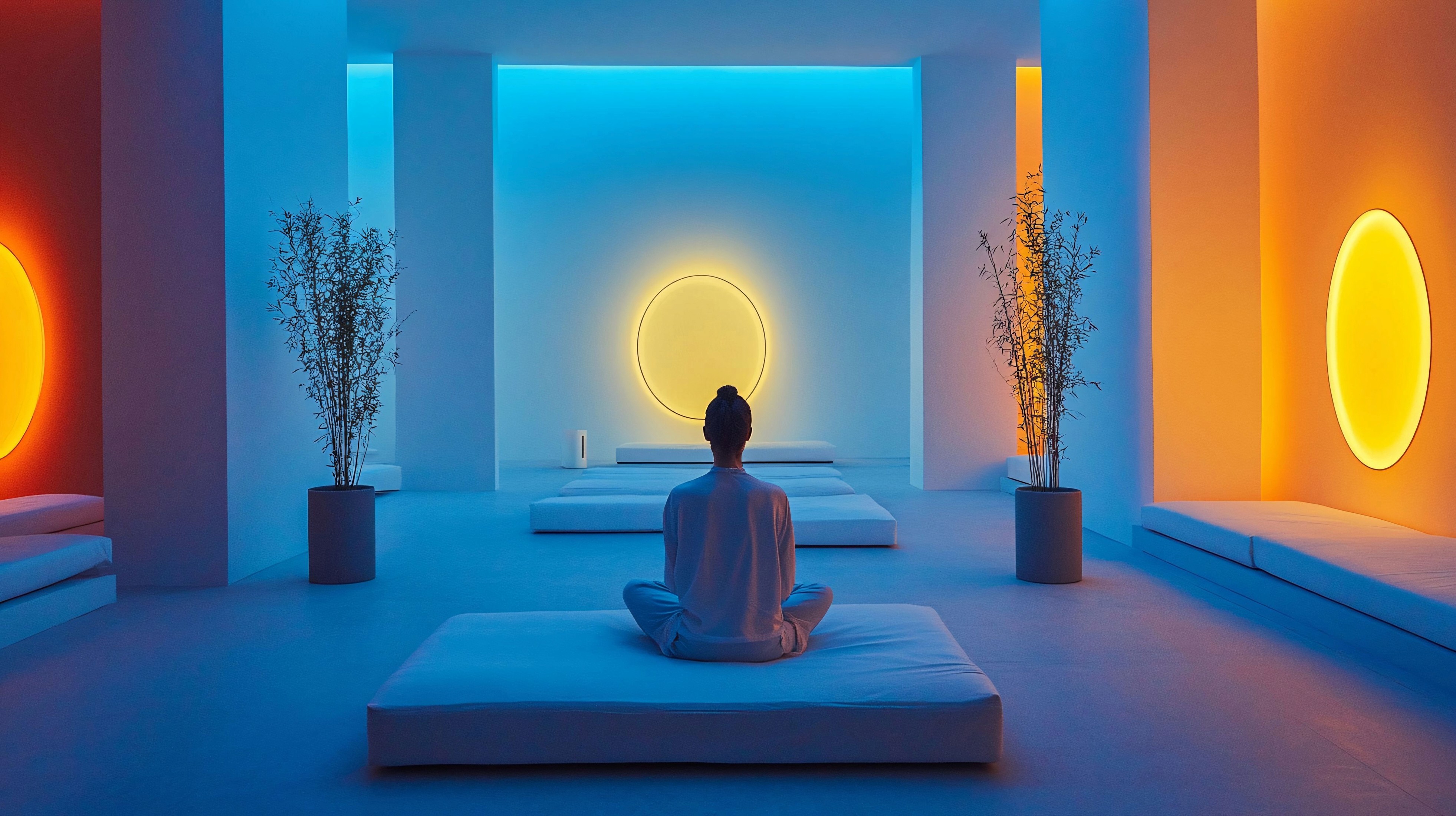
Light communicates mood before a single word is read:
Warm tones feel comforting and lifestyle-driven
Cool tones communicate technology, precision, and clarity
Neutral tones create balance and calm
This emotional dimension shaped my work for AJIO’s Summer Edit, where expressive lighting was essential in elevating product storytelling. Sunlit gradients and gentle cast shadows helped modernize the brand aesthetic while making the layout feel vibrant and editorial.
Translating Real-World Lighting Into Digital UI
“Framed by Light” dives deeper into how complex lighting techniques can be adapted into clean, usable design systems.
Key explorations include:
Gradient experiments inspired by professional studio lighting
Subtle metallic reflections to give surfaces a premium finish
Glass-like layers with soft diffusion for depth
Transparent overlays stacked for dimensional hierarchy
Motion-responsive glints that track cursor movement for interactivity
Each effect is carefully calibrated to stay visually rich without overpowering usability. The goal is harmony—where light adds expression while the interface remains human-friendly and intuitive.
Why Light Matters in UI
Light shapes perception.
It can make a button look trustworthy, a card feel important, a layout feel spacious, or a brand feel premium.
In digital interfaces, light becomes a storytelling tool—revealing structure, guiding attention, and setting the emotional tone of the experience.
Framed by Light is ultimately about designing with intention:
using illumination to enrich interaction, enhance clarity, and bring depth to the user journey—one highlight, shadow, and gradient at a time.