Designing Layouts Inspired by Real Spaces
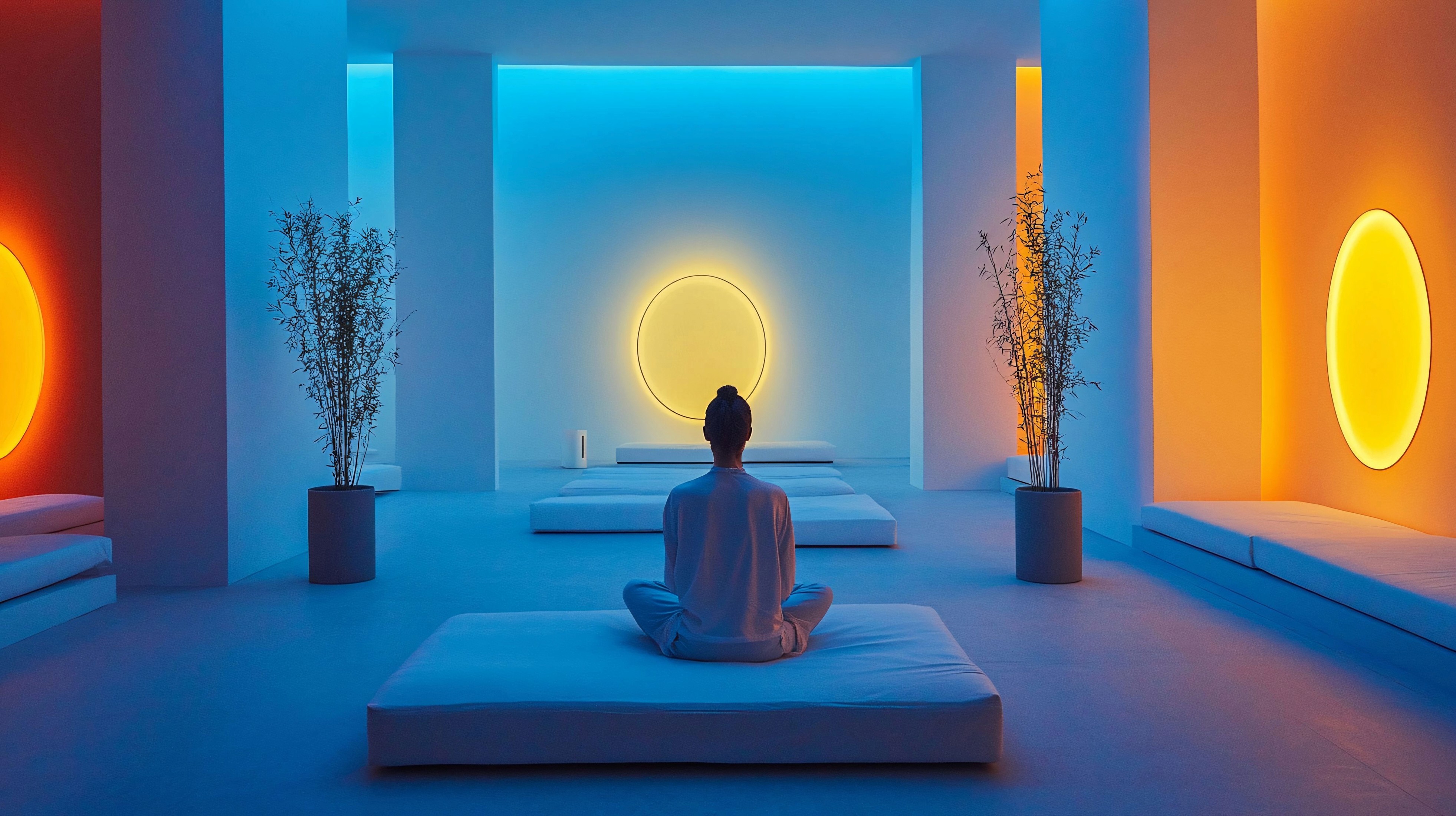
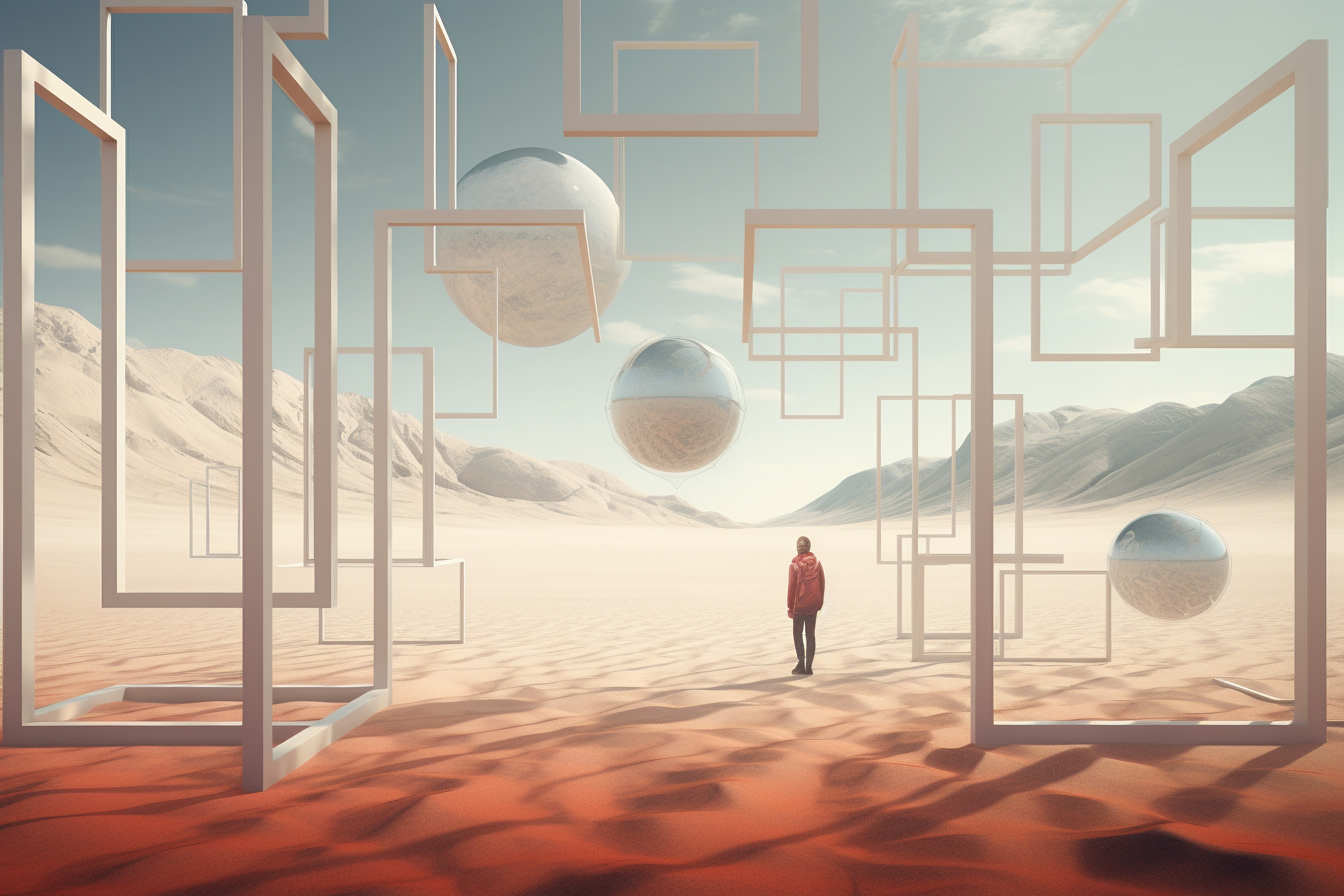
Before I ever place a frame or grid in Figma, I think in terms of physical spaces—architecture, furniture layouts, and how humans intuitively move through rooms. Real environments teach us a powerful lesson about composition: harmony is not accidental; it’s designed.
This article brings together two connected explorations—spatial reasoning and minimalism—to show how thoughtful structure elevates digital experiences.
Designing Digital Interfaces Like Architectural Spaces
Understanding space is one of the most underrated UI skills. Physical spaces influence how we feel, behave, and navigate—and the same psychology applies to screens.
Here’s how I translate real-world spatial logic into clean, minimal UI:
Room-like Structure
Every screen needs anchors, focal points, and corners to breathe.
Just like a room needs pathways, seating, and visual pauses, interfaces need structurally calm zones that help users orient themselves immediately.
Symmetry vs. Asymmetry
Architecture balances both.
Symmetry builds trust and predictability. Asymmetry adds energy, modernity, and controlled tension.
Design maturity lies in knowing when to use which—and I treat UI compositions the same way.
Sightlines & Flow
In a room, your eyes naturally follow clear lines—windows, doorways, beams.
In UI, I recreate this with typographic alignment, grid lines, and directional spacing that guide the user without them realizing it.
Depth & Layering
Good architecture plays with light and elevation. Similarly, I use layered shadows, soft elevations, and multi-surface compositions to add structure without clutter.
It gives the UI a sense of place.
These principles shaped projects like Nykaa Play, where the goal was to create spacious, fluid content discovery while keeping focus razor sharp.
Minimalism: The Architecture of Digital Design
Minimalism is often mistaken as “removing things.”
But true minimalism is about placing only what matters—and placing it with intention.
“Minimal Mood” was born from this philosophy.
It was a layout study where I stripped the interface to its essentials and let whitespace do the heavy lifting. Instead of decoration, clarity became the design language.
Key explorations included:
Building modular grids that flow seamlessly across breakpoints
Choosing typography that’s quiet but confident
Using hierarchy—not ornamentation—to create clarity
Reducing friction in navigation through clearer pathways
Allowing breathing room between components
Maintaining engagement with subtle micro-interactions—ambient color shifts, soft hover reveals, gentle elevations
This exercise reminded me that minimalism isn’t the absence of design.
It’s design at its most mature, purposeful, and emotionally intelligent.
When every element earns its place, users feel guided—not overwhelmed.
Where Space Meets Minimalism
Blending spatial reasoning with minimalism creates interfaces that feel architectural—structured, calm, and intentional.
It results in designs that:
feel breathable
guide attention naturally
reduce user fatigue
communicate confidence
look elegant across all screen sizes
Minimal Mood continues to influence my work across platforms, especially in projects where clarity and smart composition matter most.
Digital design, at its core, is still spatial design. The medium may be different, but the principles remain timeless: create space, define purpose, and guide movement gracefully.